

Diabetes in Australia: The Numbers Worth Knowing
- According to the Australian Bureau of Statistics, around one in 15 Australian adults is now living with diabetes.
- Diabetes Australia estimates that around 500,000 Australians have type 2 diabetes and don't know it.
- Type 2 diabetes accounts for roughly 85% of all diabetes in Australia.
Type 2 diabetes can develop quietly. Many people have no obvious symptoms in the early years, which is why awareness matters. Pre-diabetes, where blood glucose is raised but not yet in the diabetes range, is also a window of opportunity: lifestyle change at this stage can make a real difference.
Who should pay attention? Risk factors include a family history of diabetes, being over 45, carrying extra weight around the waist, high blood pressure or cholesterol, low physical activity, a history of gestational diabetes, and being of Aboriginal or Torres Strait Islander, Pacific Islander or South Asian background, among others. Symptoms can include increased thirst, frequent urination, fatigue, blurred vision and slow-healing cuts, though many people notice nothing at all.
If any of that sounds familiar, the first step is a conversation with your GP about getting tested. Diabetes Australia's online risk assessment (AUSDRISK) is a quick place to start.
Why Exercise Is Central to Diabetes Management
When you exercise, your muscles draw glucose out of your bloodstream for fuel. Over time, regular activity also improves insulin sensitivity, meaning your body uses insulin more effectively.
The results are measurable. A review in the Australian Journal of General Practice reports that structured exercise training is associated with an average absolute HbA1c reduction of around 0.67%, alongside improvements in strength, blood pressure and waist circumference. Australian clinical guidance also notes that exercise improves blood glucose control in type 2 diabetes even without weight loss.
That last point is important. You don't need to hit a target weight for exercise to work.
What Is an Exercise Physiologist, and What Do They Do for Diabetes?
An Accredited Exercise Physiologist (AEP) is a university-qualified allied health professional who prescribes exercise as a clinical treatment for people with chronic conditions, including diabetes. It's different from general gym instruction: an AEP starts with your medical history, medications and current capacity, then designs a program around you.
For someone with diabetes, an Exercise Physiologist can:
- Assess where you are now, including fitness, strength, balance, mobility and any pain, as well as diabetes-related considerations such as nerve changes or heart health
- Build a safe, progressive program combining aerobic and resistance training, so you improve without overdoing it
- Teach you how exercise interacts with your blood glucose and medications, and what to plan for before, during and after a session
- Adapt around other conditions, such as arthritis, back pain or a previous injury, so these don't stop you moving
- Keep you accountable and adjust the program as your fitness and confidence grow
- Work with your wider team, including your GP, Dietitian and Podiatrist
Many people have started exercise programs before and stalled. Having a qualified professional guide the process is often what makes it stick.
How Much Exercise, and What Kind?
Diabetes Australia's guidance suggests 150 to 300 minutes of moderate-intensity activity each week (moderate meaning "lightly puffing" but still able to talk), or 75 to 150 minutes of vigorous activity if you're able. Exercise and Sport Science Australia, the professional body for Exercise Physiologists, also recommends including resistance training at least twice a week and avoiding more than two consecutive days without exercise.
If that sounds like a long way from where you are, that's fine. Any exercise is better than none, and an Exercise Physiologist can help you build up gradually from wherever you're starting.
Exercising Safely With Diabetes
Exercise is safe and recommended for most people with diabetes, but it should be planned.
- Check with your GP first if you're new to exercise or have diabetes-related complications or heart disease.
- Know your medication. Insulin and some tablets can increase the risk of low blood glucose (hypoglycaemia) during or after exercise. Diabetes Australia recommends checking your blood glucose regularly if the type, intensity or duration of exercise is new to you, and carrying a fast-acting carbohydrate.
- Look after your feet. Reduced sensation can hide blisters and pressure areas. Good footwear matters, and a podiatry check is worthwhile.
- Stop and treat if you feel shaky, dizzy, unusually sweaty, confused or have blurred vision.
Type 1 and type 2 diabetes involve different considerations, so your treating team should guide what's right for you.
Exercise Physiology at SWSM
At Sydney West Sports Medicine, our Accredited Exercise Physiologists work with people at every stage: those recently diagnosed, those with pre-diabetes, people managing diabetes alongside other conditions, and anyone who wants to reduce their risk.
Our team works alongside our Dietitians, Podiatrists and Physiotherapists, because diabetes management rarely comes down to one thing. Nutrition, foot health and movement all work together.
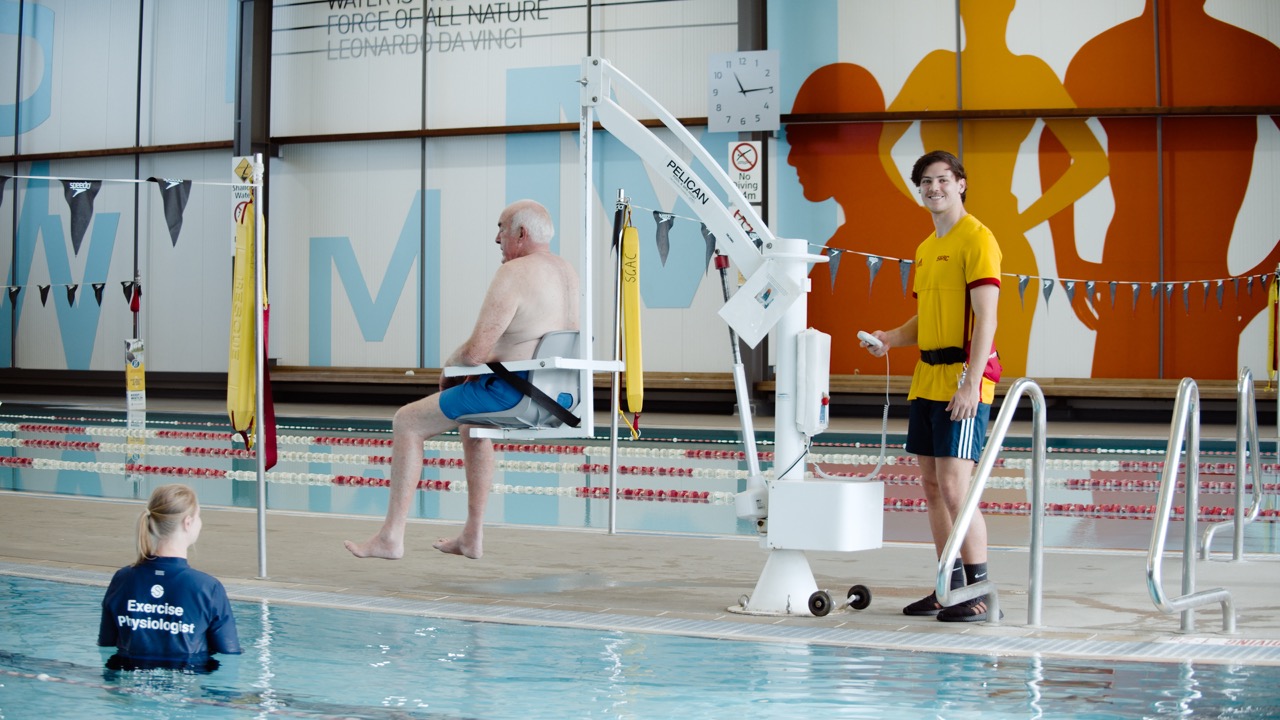
If land-based exercise is difficult because of joint pain, excess weight or nerve changes, our hydrotherapy classes offer a supported, low-impact option. Warm water reduces the load on your joints while still providing real resistance and cardiovascular challenge.
Medicare and NDIS Funding
Many people with type 2 diabetes are eligible for Medicare-rebated allied health services through a GP Chronic Condition Management Plan, which can include up to five individual allied health sessions per calendar year, shared across the providers on your plan. Some people may also be eligible for group exercise physiology sessions. Ask your GP whether this applies to you.
NDIS participants with diabetes alongside other conditions can also access exercise physiology where it supports their plan goals.
Spread the Word This November
Awareness only helps if it leads to action. This month:
- If you've never been tested, ask your GP about a blood glucose check.
- If you've been diagnosed, ask whether a referral to an Exercise Physiologist is right for you.
- If you know someone who's at risk, share this article with them.
Book an Exercise Physiology appointment → 📞 1300 13 SWSM | reception@swsm.com.au
This article is general information only and isn't a substitute for personal medical advice. Speak to your GP or treating team before changing your exercise or diabetes management.
Sydney West Sports Medicine is Western Sydney's largest sports medicine and rehabilitation clinic, with locations at West HQ Rooty Hill, BEST Rooty Hill, Norwest, Athletics NSW at Sydney Olympic Park, and Homebush. We accept private patients, NDIS, Workers Compensation, Medicare, DVA, and CTP claims.